Homemade Yogurt
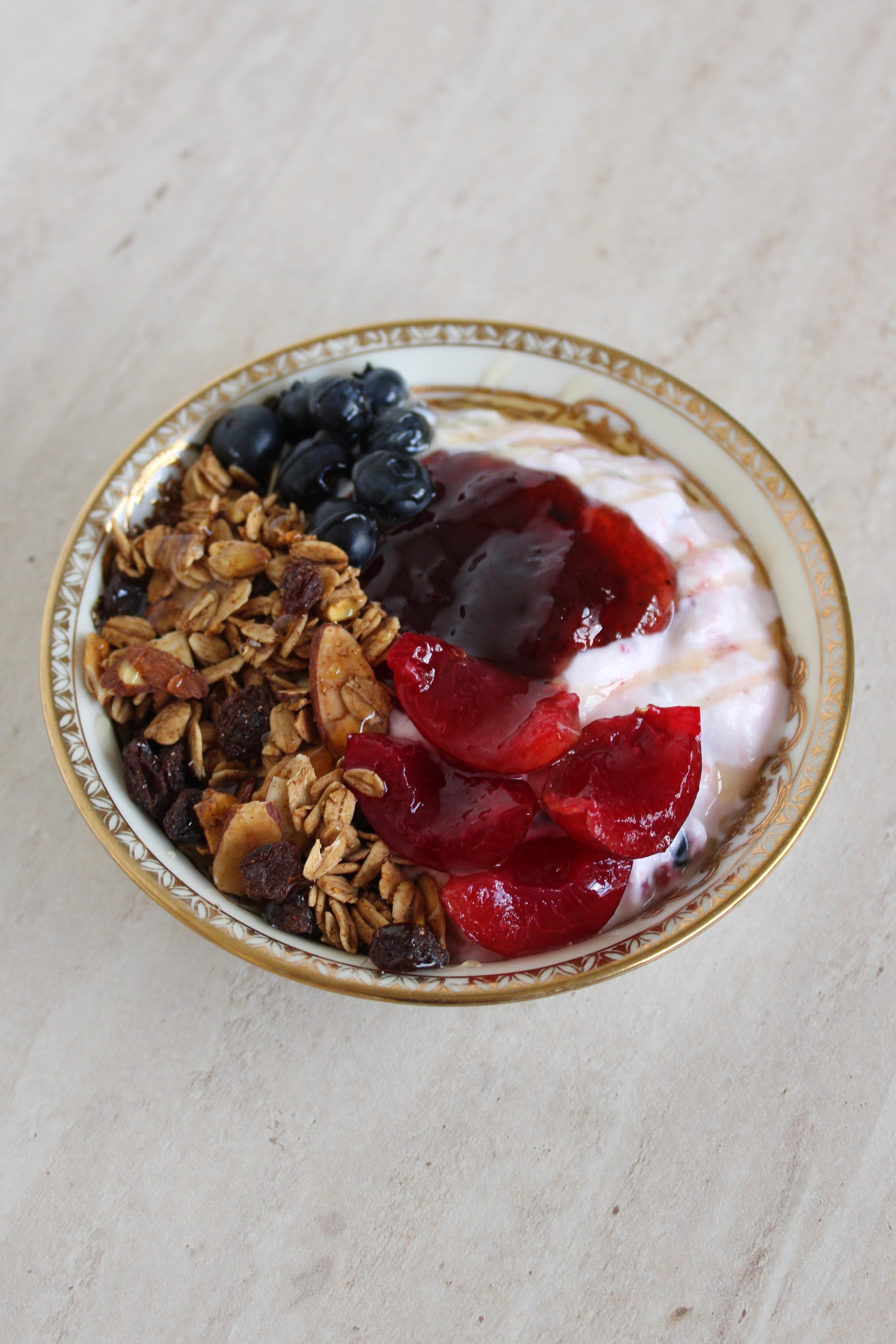
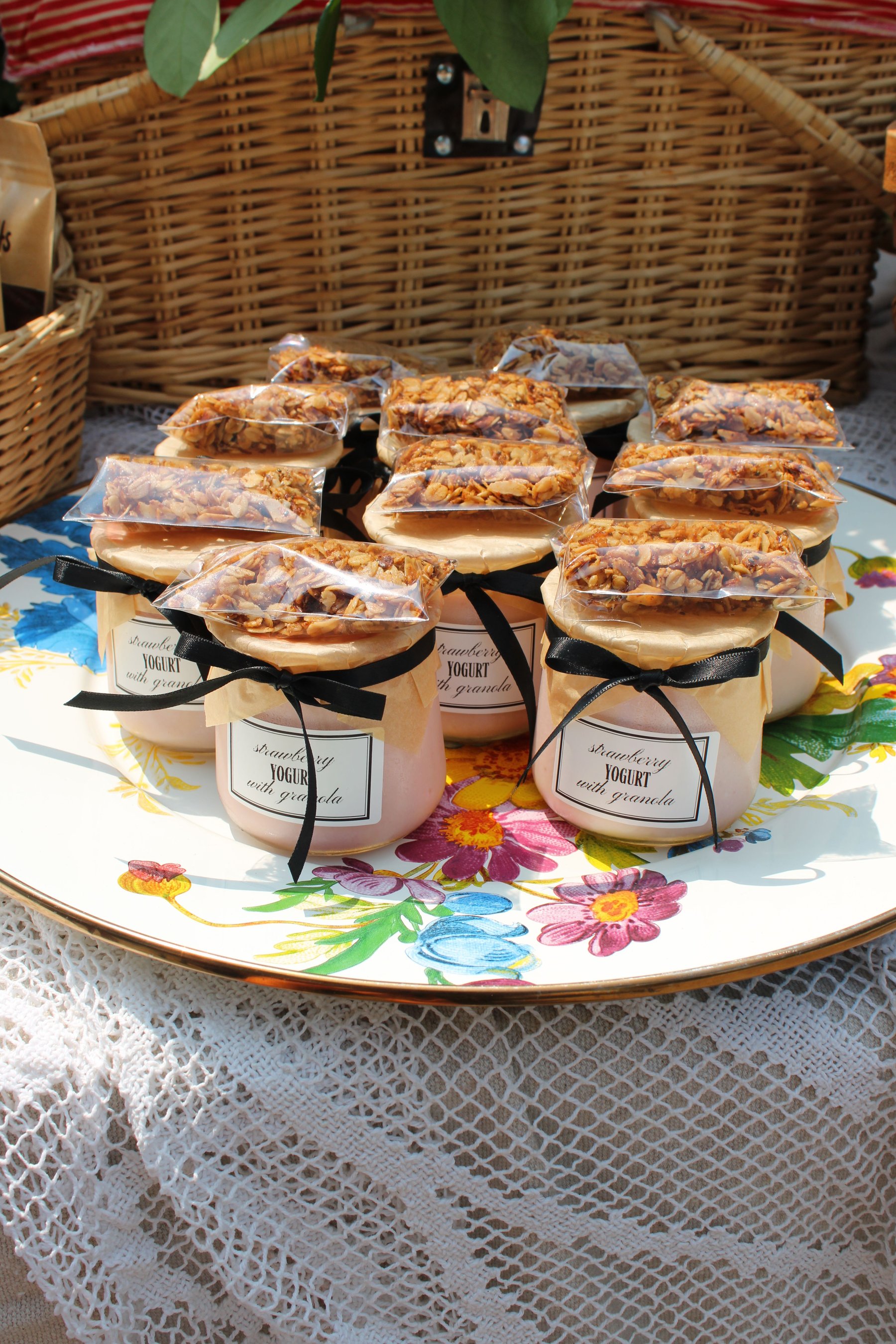
This homemade yogurt is simple, affordable, and surprisingly easy to make with just milk and a small amount of starter yogurt. I've included two incubation methods, an oven method and a yogurt maker/slow cooker method, so you can choose whichever works best for your kitchen.
If you're just getting started or want to experiment before investing in special equipment, the oven method works well and is a great way to learn the process. Keep in mind that it tends to produce a thinner yogurt because maintaining a consistent temperature can be more difficult. For the thickest, most reliable results, I recommend using a yogurt maker whenever possible. I use an affordable one from Amazon and have had consistently great results with it.
Once you've made your first batch, don't forget to save 1/4 cup to use as the starter for your next one! One of the best things about homemade yogurt is how customizable it is. You can stir in fruit, honey, vanilla, or other fun mix-ins to create different flavors. Personally, I prefer to keep my yogurt plain and use it as a blank canvas. I often make homemade jam and spoon a little on top when serving!
Homemade Yogurt
Ingredients
- 1/2 gallon organic whole milk
- 1/4 cup plain yogurt from a previous homemade batch (or plain store-bought yogurt with live active cultures for your first batch)
Instructions
Prepare the Milk
- 1
Pour the milk into a large saucepan. Heat over medium heat until it reaches about 200°F, just below a full boil. The milk should be steaming and beginning to bubble around the edges. Stir occasionally by lifting milk with a ladle and pouring it back into the pot.
- 2
Remove the saucepan from the heat and allow the milk to cool to about 100°F, or until it feels warm but not hot to the touch. For faster cooling, place the saucepan in an ice bath and stir occasionally.
- 3
Place the 1/4 cup of yogurt in a small bowl.
- 4
Add a small amount of the warm milk to the yogurt and stir until smooth. Pour the mixture back into the saucepan and stir thoroughly.
- 5
Pour the mixture through a fine-mesh sieve into your glass container.
Option 1: Oven Method
- 1
Preheat your oven to 200°F (93°C). Once it reaches temperature, turn the oven off.
- 2
Place the uncovered container inside a large pot. Put the lid on the large pot (not on the yogurt container).
- 3
Place the pot in the warm, turned-off oven. Let the yogurt incubate undisturbed for 7 hours. Do not open the oven door during this time.
- 4
Remove the yogurt from the oven, cover it, and refrigerate overnight.
Option 2: Yogurt Maker/Slow Cooker Method
- 1
After straining, pour the yogurt mixture into a glass container or glass food storage container. Place the container into your yogurt maker or slow cooker.
- 2
Fill the yogurt maker or slow cooker with warm water around the outside of the container until the water level on the outside matches the level of the yogurt mixture inside the container.
- 3
Set the yogurt maker or yogurt setting to 110°F (43°C). Let the yogurt culture for 7 hours.
- 4
Carefully remove the container from the water bath. Cover and refrigerate overnight before serving. The yogurt will continue to thicken as it chills.
Lauren's Note
- Glass containers work best because they help maintain a steady temperature and do not retain odors.
- The amount of milk used determines the amount of yogurt produced.
- Whole milk creates the creamiest yogurt, but lower-fat milk can be used.
- Save 1/4 cup of your finished yogurt to use as the starter for your next batch.
Frequently asked questions
Heating the milk changes the proteins, which helps create a thicker, smoother yogurt.
Use 1/4 cup plain store-bought yogurt that contains live active cultures. Avoid flavored or sweetened yogurt. Once your first batch is finished, save 1/4 cup to use as your starter for future batches.
Yes, but the yogurt will be less rich and may be slightly thinner than yogurt made with whole milk.
The culturing temperature was likely too cool. For the oven method, make sure the oven was thoroughly preheated before turning it off. For the yogurt maker method, verify that it is maintaining about 110°F.
The milk may have been too hot when the starter was added, which can damage the cultures. Wait until the milk cools to about 100°F before adding the yogurt.
The milk may have overheated or the starter may not have mixed completely. Straining before incubation helps create a smoother texture.
This is whey and is completely normal. Stir it back in or pour it off for a thicker yogurt.